Apple Doubles iPhone Duo Production Targets Amid Frantic Start
The tech giant has raised its first-year shipment goal to 14 million units after pre-orders triggered immediate delivery delays and a scramble to boost manufacturing.
By Ken Adams ·
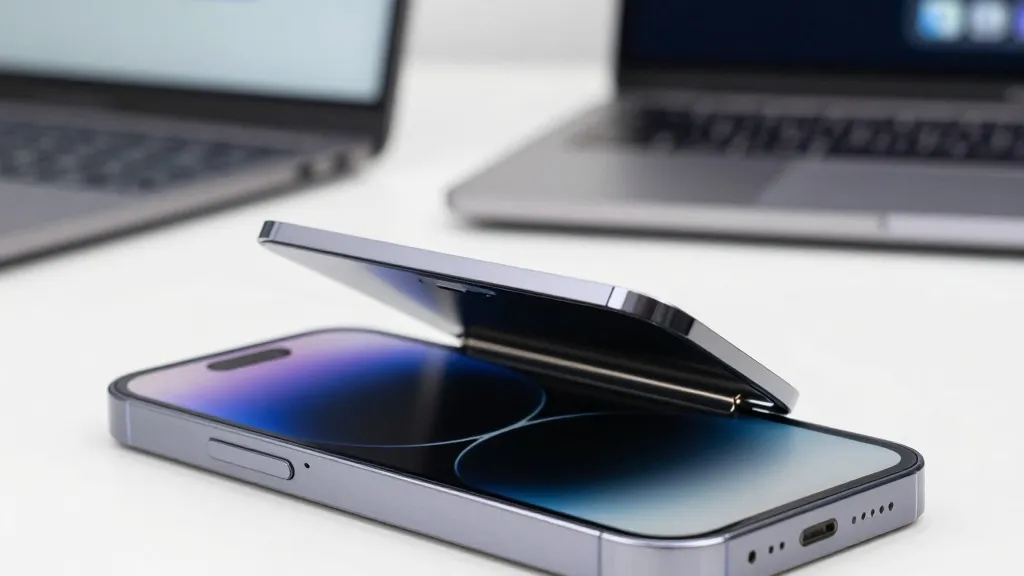
For consumers eager to get their hands on the latest foldable smartphone, the wait has officially begun. Early adopters who placed orders for the iPhone Duo are facing extended shipping windows, with some estimates stretching into late January. This sudden shift means that the initial rush of buyers will not be receiving their devices as quickly as anticipated, marking a significant change in the typical launch timeline for Apple’s newest hardware.
The primary driver behind these delays appears to be an overwhelming surge in consumer interest rather than a production bottleneck. Supply chain reports indicate that Apple has increased its production orders for the iPhone Duo by more than 40% to meet this demand. The company initially attributed the slipping delivery dates to 'extraordinary' demand, a phrase it frequently employs during new iPhone launches. To manage the influx and prevent scalping, Apple restricted purchases to a maximum of two units per customer, a move that did not stop the initial flood of orders from overwhelming the system.
The rapid escalation of production targets underscores the scale of the response. According to a report from DigiTimes, based on insights from supply chain sources, Apple has raised its shipment targets for the first 12 months from 9.7 million to 14 million units. This substantial increase suggests that the company is confident the high levels of interest will persist beyond the initial pre-order window. As a result, some early customers have already seen their estimated shipping dates move forward, reflecting the ramp-up in manufacturing efforts.
However, the rollout is not without its technical growing pains. Early users are currently navigating a landscape where third-party applications have not yet been fully optimized for the new device's unique form factor. While Apple asserts that the situation is improving rapidly as developers adapt their software, app support remains a key point of discussion in initial reviews. These early assessments, based on a week of usage, consistently highlight the state of app compatibility as a major factor in the user experience.
Another notable aspect of the initial feedback involves the security interface. The iPhone Duo features Touch ID, a shift from the Face ID system found in previous models. This change has been a point of interest for reviewers and users alike. Yet, the company is already looking ahead to future iterations, with reports indicating that Apple is testing prototypes for the iPhone Duo 2 that incorporate Face ID technology.
As the dust settles on the launch week, the focus shifts to whether the expanded production can keep pace with sustained demand. The interplay between software optimization and hardware availability will likely define the early reputation of the device. For now, the market is watching closely to see if the 14 million unit target proves to be a conservative estimate or a necessary adjustment to a surprisingly hungry customer base.
Source: 9to5Mac