122 Acres: Amazon Dumps AI Data Center Plans in Loudoun County
Following intense local opposition, the tech giant is converting a major Virginia site into mixed-use residential housing and donating land for community recreation.
By Anastasia Volkova ·
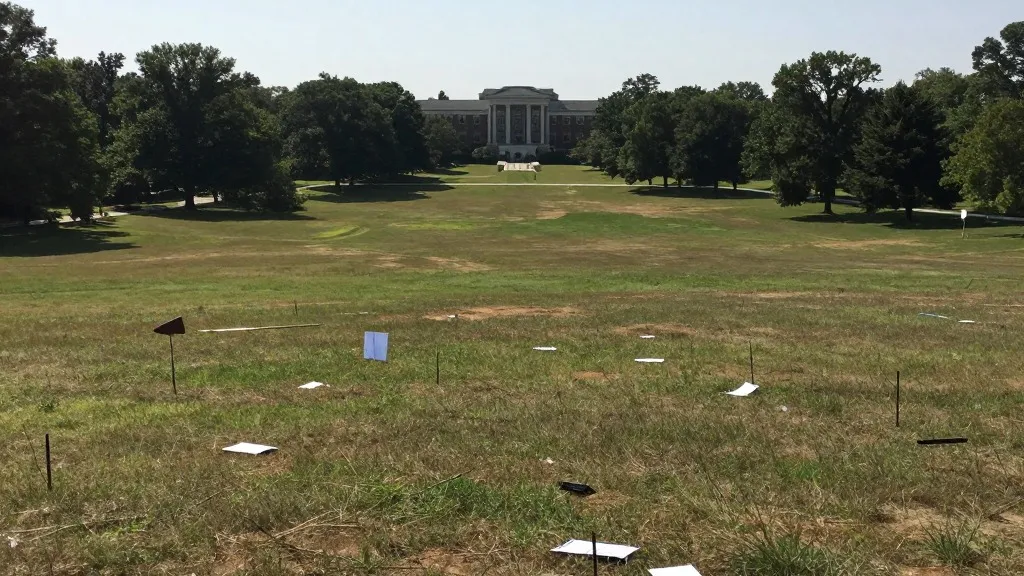
Amazon has officially abandoned plans to construct four new data centers on a 122-acre former university campus in Loudoun County, Virginia. The decision, announced on October 23, marks a significant reversal for the tech giant, which will instead repurpose the majority of the land for mixed-use and residential development. This shift comes after sustained pushback from local residents who objected to the environmental and logistical impacts of the proposed facilities.
In a bid to ease community tensions, Amazon is donating 25 acres of the property to Loudoun County. This land will be developed into a new community arts center and a recreational facility. Furthermore, the company has committed a $5 million contribution to the county’s housing fund, aiming to support affordable housing initiatives for local families.
The proposal for the data centers was initially submitted in July, a move that seemed at odds with the region's growing reputation as a hub for such infrastructure. Loudoun County has already earned the nickname "Data Center Alley" due to its high concentration of these facilities. However, concerns regarding noise pollution and the immense power requirements of AI-driven data centers have prompted a change in the local approach to new buildouts. In September, Phyllis J. Randall, Chair of the Loudoun County Board of Supervisors, met with Amazon representatives to discuss alternative uses for the site.
Josh Weissman, Amazon’s vice president of data center development, acknowledged the company’s initial interest in the property when it became available. However, he noted that the firm took the county’s "pointed concerns" seriously. Weissman stated that while Amazon viewed the legal development potential differently than the county did, they concluded that a shared vision was preferable to "costly litigation." This collaborative approach allowed both parties to avoid a prolonged legal battle.
The withdrawal of the project occurs against a backdrop of rising national debate over data center infrastructure. As demand for cloud services and AI storage surges, local communities are increasingly wary of the strain these facilities place on energy grids and local resources. President Donald Trump recently called for data center operators to pay local communities a dividend to offset energy price increases, suggesting that facilities should also sell excess energy back to the grid.
Local officials have framed the outcome as a success for community dialogue. Randall stated that choosing "dialogue over reflexive disagreement" created a valuable opportunity for the county. She emphasized that the agreement provides new spaces for residents to gather and play, while also delivering more attainable housing for working families, signaling a potential new model for negotiating large-scale tech developments in residential areas.
This development highlights the growing friction between rapid technological expansion and local community needs. While the global demand for data storage continues to rise, the Loudoun County case suggests that local opposition and strategic land use can significantly alter corporate infrastructure plans.
Source: Tom's Hardware